

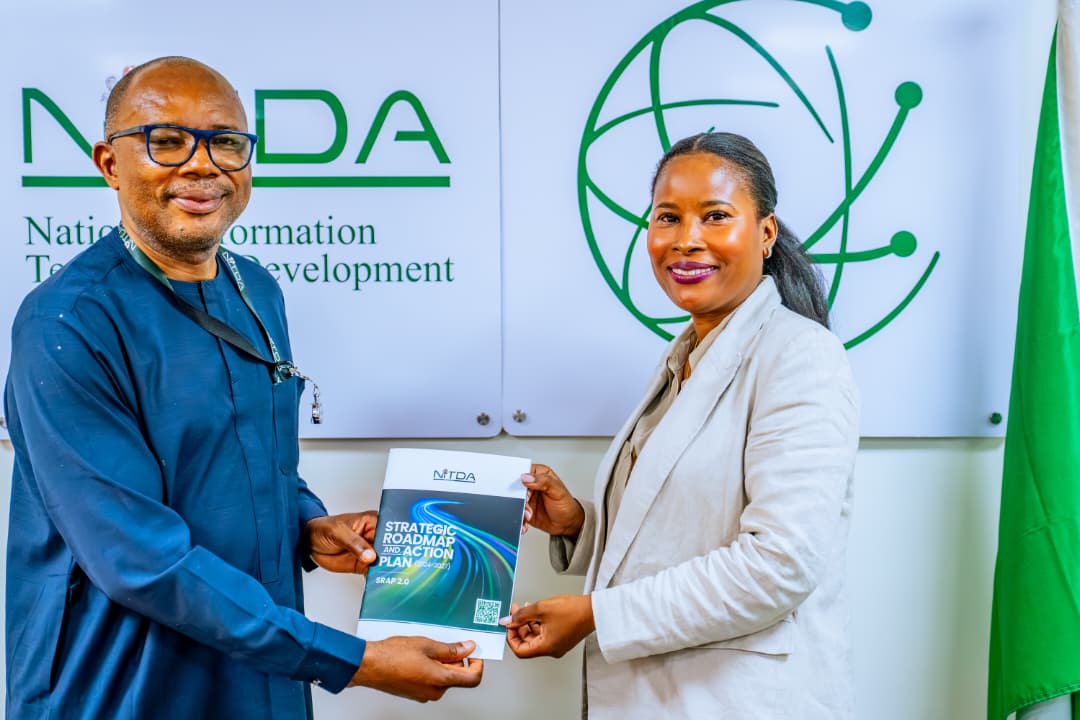
The National Information Technology Development Agency (NITDA) has officially inaugurated a multi-agency Technical Working Group (TWG) to pioneer a coordinated National Regulatory Sandbox framework. This landmark initiative is designed to dismantle regulatory silos and establish a harmonized, collaborative ecosystem capable of accelerating safe technological deployment across Nigeria’s expanding digital economy.
Speaking at the inauguration, NITDA Director General, Kashifu Inuwa—represented by Barrister Emmanuel Edet, Acting Director of Regulation and Compliance—highlighted the urgent need to address structural regulatory friction. Inuwa noted that while individual agencies possess legitimate, clearly defined mandates, the rapid evolution of digital technologies requires a shift from isolated oversight to deep institutional alignment to ensure compliance actively supports, rather than stifles, market innovation.
The Director General observed that traditional, siloed regulatory approaches face major limitations when confronting fast-paced digital growth, often creating unintended bottlenecks that delay life-improving tech solutions. To bridge these gaps, NITDA is championing an adaptive, multi-agency strategy that fosters mutual understanding of overlapping mandates and encourages regulatory authorities to collectively design flexible, evidence-based oversight mechanisms.
Central to this strategy is the deployment of regulatory sandboxes—secure, controlled testing environments where innovators can pilot emerging technologies under the direct supervision of relevant authorities. Emphasizing a “learn-by-doing” philosophy, Inuwa reassured participating agencies that this initiative does not dilute or override any institution’s statutory powers, but instead enhances inter-agency coordination to keep the nation globally competitive.
Presenting an overview of the initiative, Victoria Fabunmi, National Coordinator of the Office for Nigerian Digital Innovation (ONDI), explained that the National Regulatory Sandbox acts as a comprehensive governance and legal framework. It directly addresses the fragmented approval processes and regulatory uncertainties that have historically slowed down startups and tech-driven enterprises trying to navigate disjointed compliance channels.
Crucially, Fabunmi revealed that unlike traditional models confined strictly to financial services, Nigeria’s sandbox framework is intentionally sector-agnostic. This multi-sector approach allows regulators across digital health, agriculture, mobility, clean energy, and digital public infrastructure to collaborate simultaneously, giving innovators a single, unified testing ground that dramatically shortens time-to-market.
The inauguration of this Technical Working Group marks a decisive step in NITDA’s transition toward becoming an ecosystem orchestrator rather than a rigid regulator. By generating shared, data-driven regulatory insights, the sandbox will empower participating agencies to make informed collective decisions, effectively future-proofing Nigeria’s policy landscape and cementing its position as Africa’s leading digital economy.
The National Information Technology Development Agency (NITDA) has officially inaugurated a multi-agency Technical Working Group (TWG) to pioneer a coordinated National Regulatory Sandbox framework. This landmark initiative is designed to dismantle regulatory silos and establish a harmonized, collaborative ecosystem capable of accelerating safe technological deployment across Nigeria’s expanding digital economy.
Speaking at the inauguration, NITDA Director General, Kashifu Inuwa—represented by Barrister Emmanuel Edet, Acting Director of Regulation and Compliance—highlighted the urgent need to address structural regulatory friction. Inuwa noted that while individual agencies possess legitimate, clearly defined mandates, the rapid evolution of digital technologies requires a shift from isolated oversight to deep institutional alignment to ensure compliance actively supports, rather than stifles, market innovation.
The Director General observed that traditional, siloed regulatory approaches face major limitations when confronting fast-paced digital growth, often creating unintended bottlenecks that delay life-improving tech solutions. To bridge these gaps, NITDA is championing an adaptive, multi-agency strategy that fosters mutual understanding of overlapping mandates and encourages regulatory authorities to collectively design flexible, evidence-based oversight mechanisms.
Central to this strategy is the deployment of regulatory sandboxes—secure, controlled testing environments where innovators can pilot emerging technologies under the direct supervision of relevant authorities. Emphasizing a “learn-by-doing” philosophy, Inuwa reassured participating agencies that this initiative does not dilute or override any institution’s statutory powers, but instead enhances inter-agency coordination to keep the nation globally competitive.
Presenting an overview of the initiative, Victoria Fabunmi, National Coordinator of the Office for Nigerian Digital Innovation (ONDI), explained that the National Regulatory Sandbox acts as a comprehensive governance and legal framework. It directly addresses the fragmented approval processes and regulatory uncertainties that have historically slowed down startups and tech-driven enterprises trying to navigate disjointed compliance channels.
Crucially, Fabunmi revealed that unlike traditional models confined strictly to financial services, Nigeria’s sandbox framework is intentionally sector-agnostic. This multi-sector approach allows regulators across digital health, agriculture, mobility, clean energy, and digital public infrastructure to collaborate simultaneously, giving innovators a single, unified testing ground that dramatically shortens time-to-market.
The inauguration of this Technical Working Group marks a decisive step in NITDA’s transition toward becoming an ecosystem orchestrator rather than a rigid regulator. By generating shared, data-driven regulatory insights, the sandbox will empower participating agencies to make informed collective decisions, effectively future-proofing Nigeria’s policy landscape and cementing its position as Africa’s leading digital economy.
Leave a Reply