

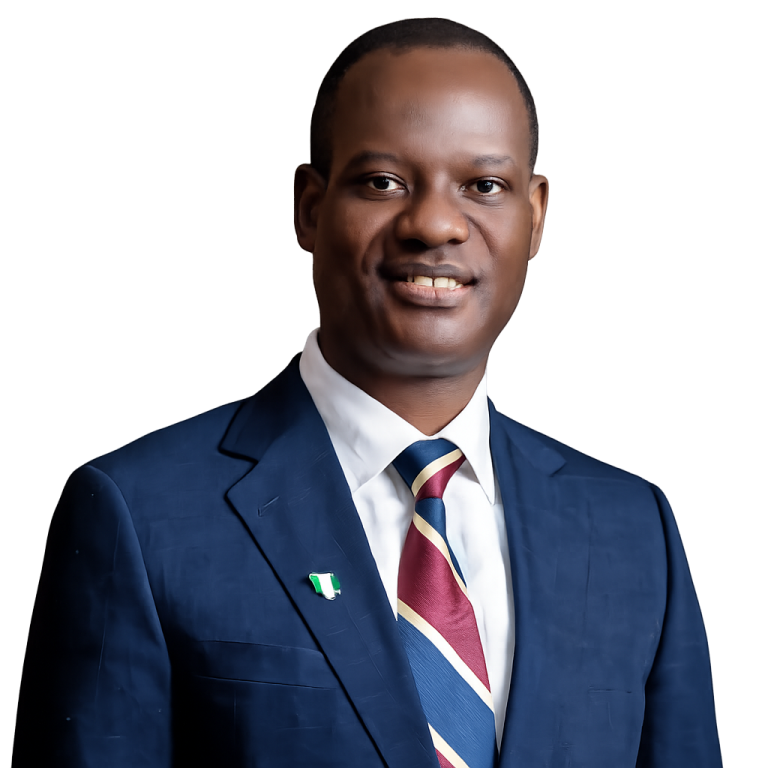
The Federal Government has unveiled a $78.5 billion investment pipeline consisting of 65 bankable projects to Polish institutional and industrial investors, a strategic capital drive projected to generate 366,000 jobs across Nigeria’s productive sectors. Curated through the government’s deal room facility, Projects Nigeria, the ventures come backed by completed feasibility studies and are specifically structured to absorb private capital into infrastructure, manufacturing, and energy.
Speaking on Tuesday at the Second Polish-Nigerian Economic Forum at the Lagos Continental Hotel, the Minister of Finance and Coordinating Minister of the Economy, Taiwo Oyedele, urged Warsaw to transition from diplomatic courtesy to direct industrial execution. He noted that Abuja is actively shifting its foreign economic posture away from passive raw material exports toward joint ventures capable of erecting factories, overhauling transport corridors, and expanding domestic output.
As immediate proof that bilateral agreements can translate into physical infrastructure, Oyedele highlighted the impending groundbreaking for the modernisation of the Lagos Port Complex at Apapa and Tin Can Island, a critical maritime project backed by Polish financing. Welcoming his Polish counterpart, Andrzej Domański, Oyedele remarked that the Polish Finance Minister’s presence in Lagos signals Warsaw’s recognition of Nigeria as a primary commercial ally rather than a peripheral market, adding that both treasuries share a mandate to align development finance with job creation and higher household earnings.
Addressing the current state of commerce, Oyedele described the $734 million bilateral trade ledger as starkly underperforming for a corridor connecting Africa’s most populous nation with a European economy that recently surpassed the $1 trillion mark. Ministry data indicates that in 2025, Poland exported roughly $169 million in goods to Nigeria, while Nigeria shipped approximately $565 million to Poland—with crude oil accounting for more than 90 per cent of that volume.
To correct this structural imbalance, the minister proposed diversifying trade beyond crude oil and raw grain into processed agricultural goods, fertilisers, sesame, industrial machinery, technology, and services. He challenged Nigerian enterprises to focus on exporting finished goods while leveraging Polish engineering and plant equipment to boost domestic manufacturing capacity.
Oyedele observed that while diplomatic ties date back to a 1962 trade pact—later elevated to a Strategic Partnership in 2013 and reinforced by the opening of a Polish Foreign Trade Office in Lagos in 2018—commercial exchange has remained disproportionately thin. Drawing a lighter parallel from football history, he recalled Nigerian-born striker Emmanuel Olisadebe, whose goals propelled Poland to the 2002 FIFA World Cup, noting that just as both Warsaw and Warri celebrated his success, the two nations can forge commercial alliances that deliver mutual gains.
Concluding his address, Oyedele pointed to Poland’s remarkable three-decade economic transformation—growing from roughly $67 billion in 1989 to over $1 trillion in 2025—as an instructive blueprint for Nigeria’s ongoing structural reforms.
Leave a Reply