

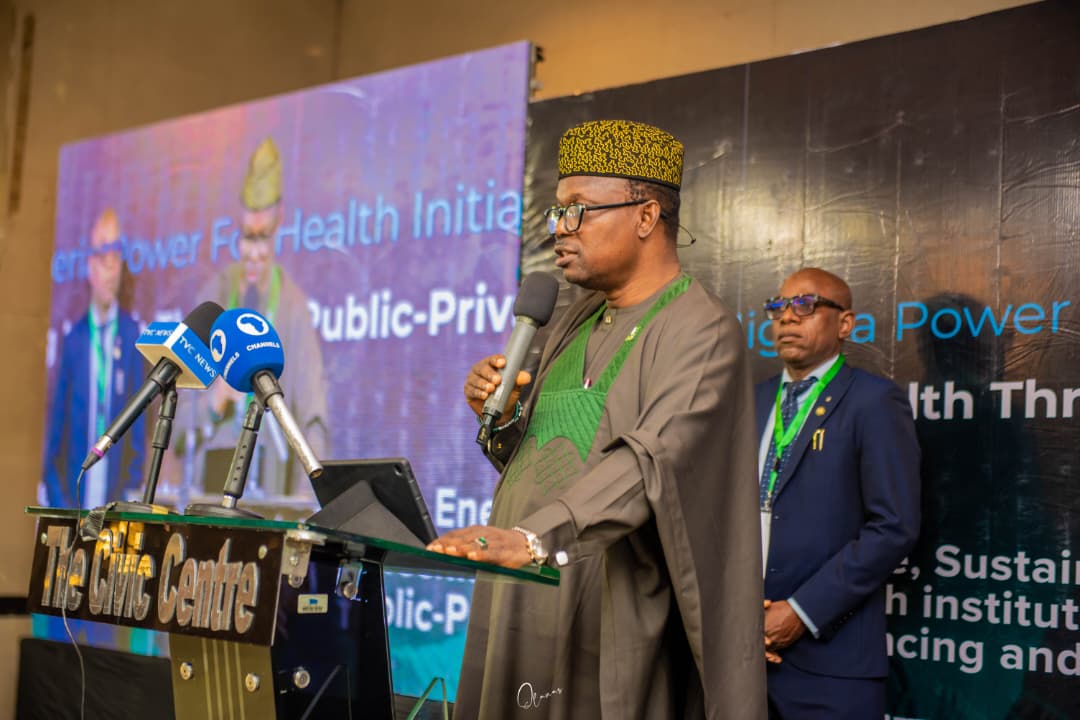
The Federal Government has reaffirmed its commitment to providing reliable, affordable, and sustainable electricity across Nigerian healthcare facilities by leveraging strategic partnerships with the private sector, development finance institutions, and commercial investors. Speaking at the National Healthcare Electrification Investor Matchmaking Forum in Lagos, the Honourable Minister of State for Health and Social Welfare, Dr. Iziaq Adekunle Salako, emphasized that power is a critical enabler for quality medical delivery and improved patient outcomes nationwide.
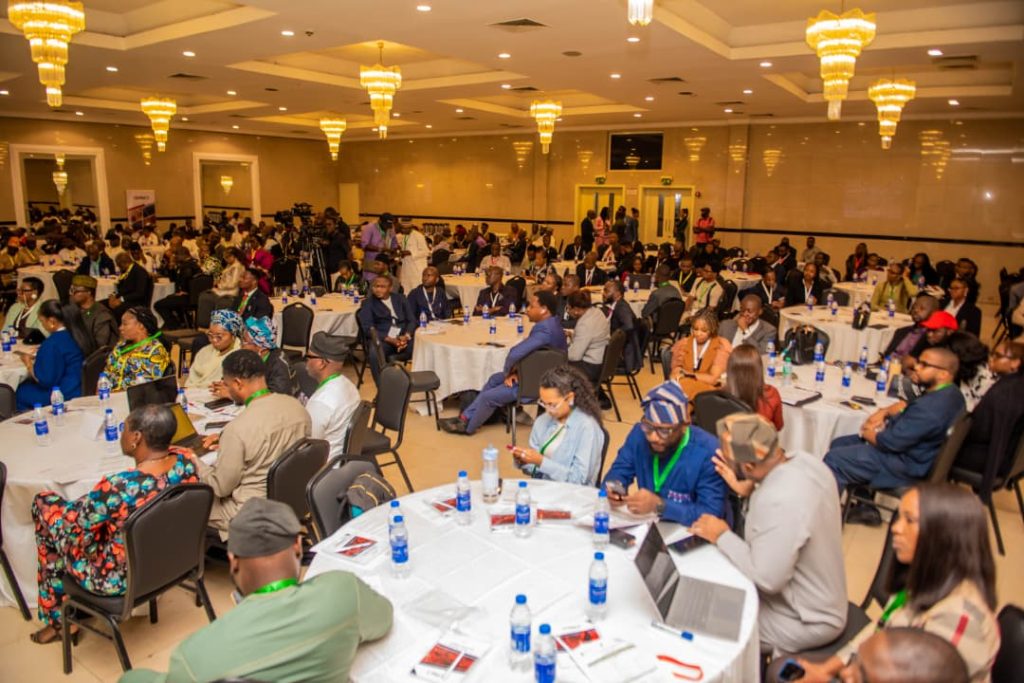
The high-level forum, organized under the Nigeria Power for Health Initiative (NPHI), brought together key stakeholders from the health, power, finance, climate, and development sectors. Dr. Salako noted that chronic energy poverty heavily undermines the country’s healthcare system, crippling life-saving operations such as emergency surgeries, vaccine preservation, diagnostic services, oxygen delivery, and digital health infrastructure. He stressed that regular electricity is a fundamental driver of medical reforms rather than a mere utility.
To tackle these challenges, the NPHI was established following a national stakeholders’ dialogue and has since received executive approval from President Bola Ahmed Tinubu. The initiative marks a radical departure from traditional, short-lived government-funded and donor-driven asset models. Instead, it introduces a sustainable, private-sector-led “Energy-as-a-Service” framework designed to transform how public utilities are powered.
Under this new commercial model, specialized Energy Service Providers will fully finance, deploy, operate, and maintain the clean energy infrastructure. This arrangement allows medical institutions to focus exclusively on clinical care while guaranteeing investors predictable revenue streams and ensuring long-term operational accountability. While the current phase targets Federal Tertiary Health Institutions, the blueprint is designed to eventually scale across primary, secondary, and tertiary facilities in both the public and private sectors.
To safeguard these investments and boost stakeholder confidence, the Federal Government has established a robust governance framework. This structure includes an Inter-Ministerial Steering Committee, a 24-member Inter-Agency Technical Committee, dedicated Facility Energy Management Teams, and a specialized Project Secretariat housed within the Ministry of Health. Additionally, the initiative is deploying a blended financing strategy that pools government funds, climate finance, concessional capital, and private investment.
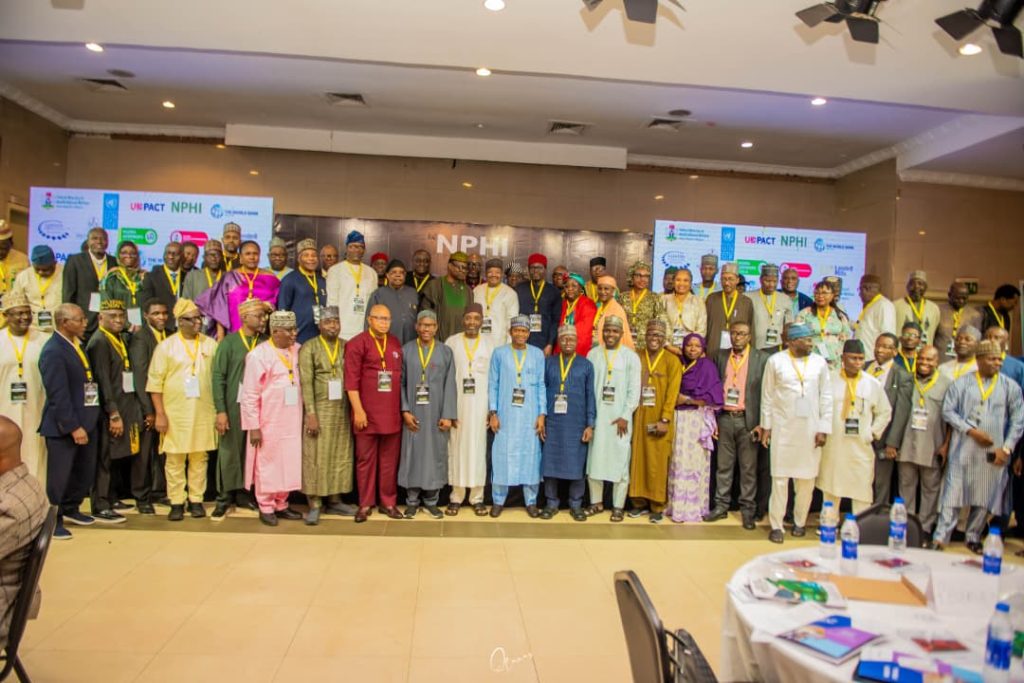
The Minister expressed gratitude to the United Kingdom Partnership for Accelerating Climate Transition (UK PACT) and Landell Mills International for their technical support in developing the project’s framework. He subsequently called on commercial banks, impact investors, infrastructure funds, and energy developers to capitalize on the growing pipeline of healthcare electrification projects, highlighting the intersection of health security, climate resilience, and reduced diesel dependency.
Concluding his address, Dr. Salako described the matchmaking forum as a practical marketplace to convert sustainable ideas into bankable projects that save lives. Reassuring prospective partners of the government’s commitment to maintaining an enabling regulatory environment, he urged participants to move past policy discussions and forge immediate, scalable investments to guarantee uninterrupted power for every health facility in Nigeria.
Leave a Reply